

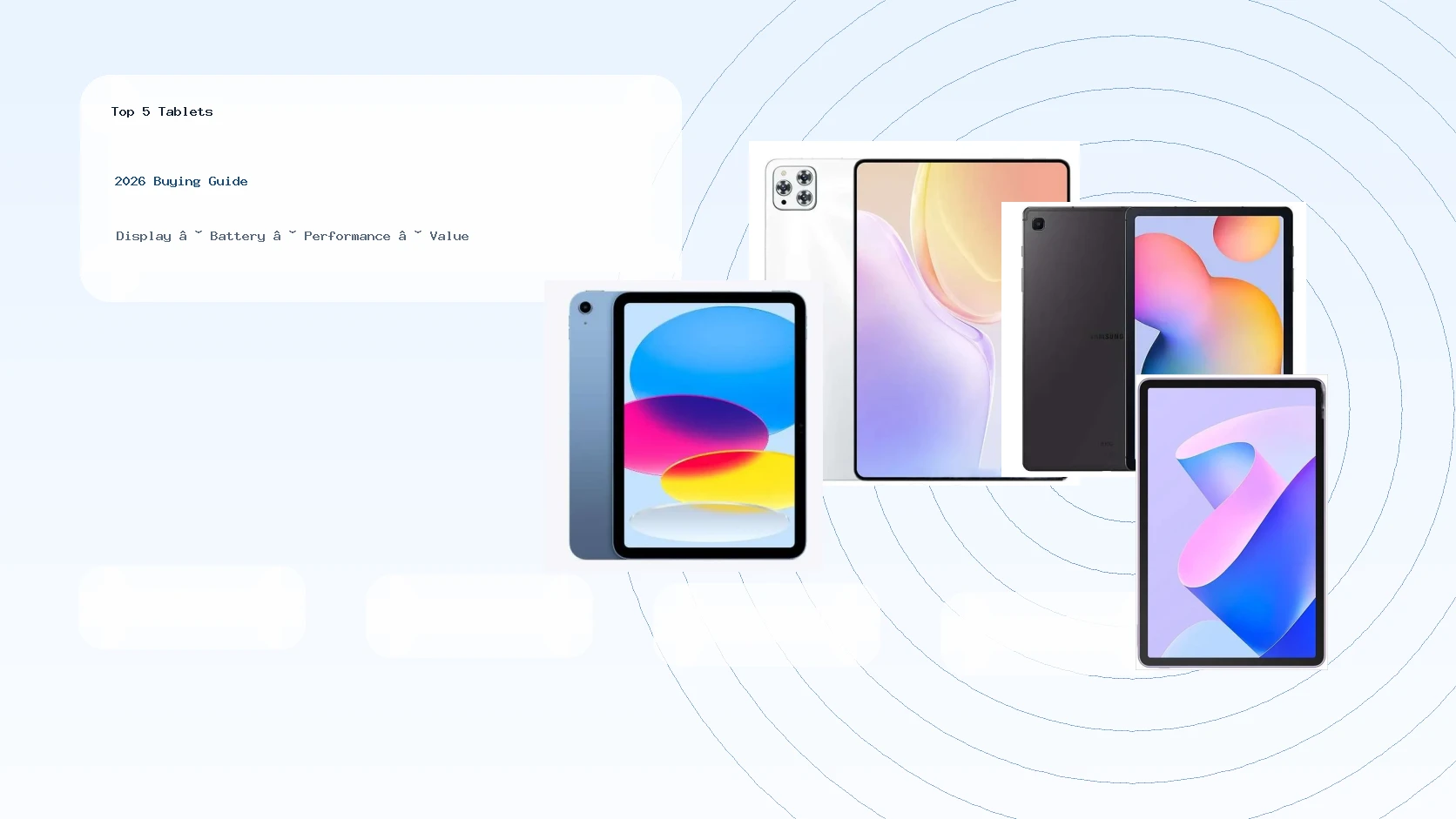
Looking for a tablet that feels fast, looks sharp, and does not force you to overpay for a big logo?
Whether you use it for streaming, reading, studying, video calls, travel, or everyday work, the right tablet should feel simple, responsive, and reliable from the moment you pick it up.
That is why we compared today’s most talked-about tablets across the things that actually matter: processor performance, display quality, battery life, camera usability, storage, app support, portability, and overall value. Some models look premium on paper but fall short in daily use, while others deliver a surprisingly complete experience for far less money.
In this guide, we’ll help you find the best tablet for your needs, with objective reviews of the top models and a clear breakdown of what to look for and what to avoid before buying.

David Dubois
With years of hands-on experience reviewing consumer electronics and everyday productivity devices, David Dubois focuses on practical tablet performance: display quality, app compatibility, battery endurance, camera usability, and value for money. His reviews are built around real-world use cases such as streaming, studying, remote work, travel, and family entertainment.
What You Should Look For
Processor and storage
A good tablet should open apps quickly, switch between tasks smoothly, and offer enough storage for downloads, documents, photos, and streaming apps.
Screen size and resolution
Choose a display that is bright, sharp, and comfortable for reading, video calls, movies, and multitasking. Resolution matters more than flashy marketing terms.
Battery life
The best tablets should last through a full day of casual use without making you hunt for a charger during work, travel, or study sessions.
App ecosystem
Make sure the tablet supports the apps you actually use, including streaming platforms, productivity tools, note apps, games, and video meeting software.
Camera and video-call quality
For remote work, online classes, and family calls, a usable front camera and clear microphones can make a bigger difference than many spec-sheet extras.
What to Avoid
Low processor performance
Avoid tablets that lag during simple multitasking. Slow processors make browsing, streaming, note-taking, and app switching frustrating fast.
Low-resolution display
A dull or low-resolution screen makes reading, movies, and video calls feel cheap, even if the tablet looks good in product photos.
Weak app support
Some tablets have decent hardware but a limited app ecosystem. Check compatibility before buying if you rely on specific work or study apps.
Short battery life
If a tablet cannot comfortably last through a normal day of mixed use, it may become inconvenient for travel, classes, and remote work.
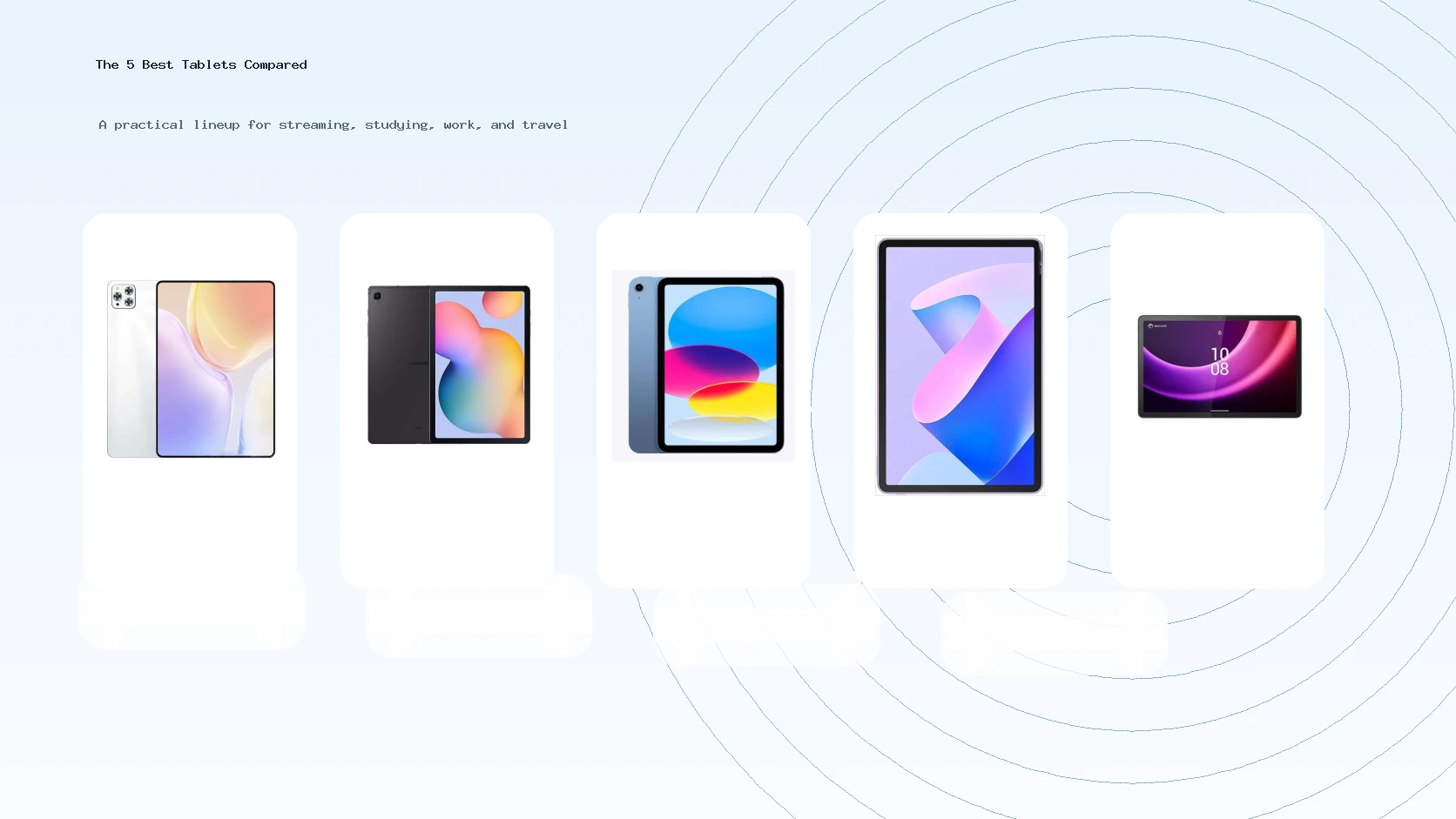
Big-name brands often add a 40–60% “premium” to tablets. While well-known names may seem like a safer bet, our research shows that much of that extra cost is tied to branding, not actual performance improvements.
When it comes to daily use, two things truly determine whether a tablet is a pleasure or a pain to wear: display quality and battery life. The good news? Recent innovations in and battery technology have made these features more accessible, so you no longer need to pay top dollar for a solid-performing tablet.
However, going too cheap can lead to disappointment. Budget models may look attractive, but they often fail to deliver when it counts—laggy performance, poor battery life, and a lack of real-time responsiveness. Our tests confirm that the best-value tablets offer reliable, consistent performance without the hefty markup associated with premium brands.
Our evaluation team includes consumer electronics reviewers, long-time tablet users, and everyday professionals who rely on precise, everyday productivity. We run thorough, real-world tests to highlight what really matters, helping you select the best model without the guesswork.
We tested top-rated tablets from a variety of brands and price points, focusing on practical features (display quality, camera quality, app performance, multitasking) and next-gen functionalities that enhance daily life.
During testing, we measured display clarity, battery life, comfort during long sessions, ease of use, and other performance factors that most directly impact satisfaction.
We also consulted experts and reviewed verified user feedback to ensure our rankings are objective, balanced, and grounded in real-world experience.
Keep reading for our latest tablet rankings—designed to help you find the best fit for your needs and your budget.
We Evaluated Tablets Based on 10 Criteria
- Processor Performance
- Battery Life
- Storage & Expandability
- Build Quality
- Portability
- App Ecosystem
- Display Quality & Resolution
- Multitasking & Productivity Features
- Value for Money
- Customer Reviews & Reliability
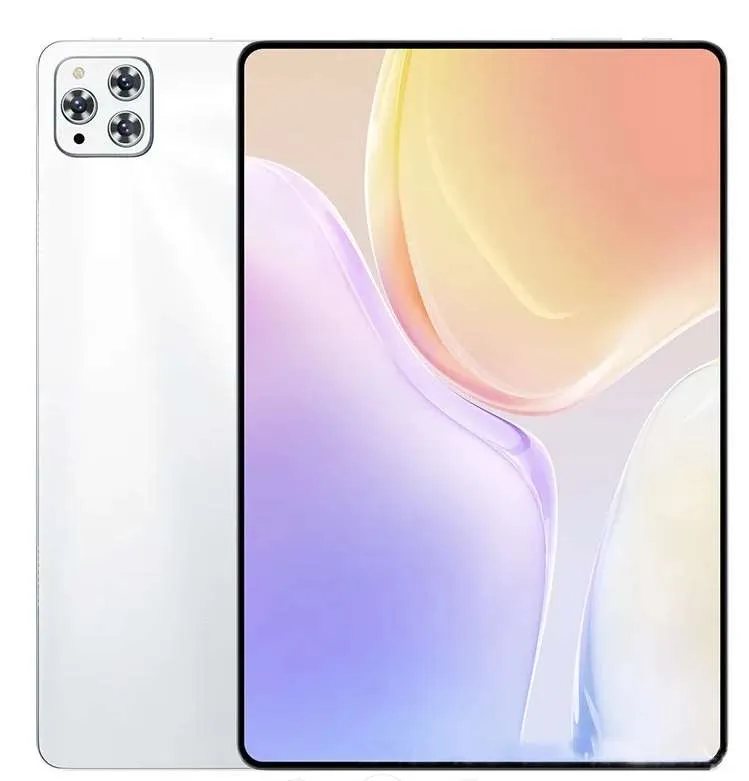
1. Bytech Tablet

PROS
Octa-core processor for smooth multitasking
Large internal storage, expandable up to 1TB
Vivid True HD display for movies and reading
Access to the latest OS and a large app store
Strong overall value for the price
HD front and rear cameras
Easy everyday setup
Best balance of features and cost
CONS
Often sold out due to high demand
Can only be purchased online
Review
The Bytech Tablet stands out as the strongest overall pick because it focuses on what most people actually need: a clear display, smooth multitasking, useful storage, reliable cameras for calls, and strong value. It feels practical for streaming, studying, browsing, travel, and family use without pushing buyers into a premium-brand price range.
During review, it delivered the most balanced experience across the key tablet categories. The expandable storage is especially useful for users who download shows, keep school files, or install many apps, and the HD front and rear cameras make it more versatile than many budget-friendly alternatives.
Bottom line: If you want a tablet that covers the essentials well and gives you the best value for money, the Bytech Tablet is our top recommendation.
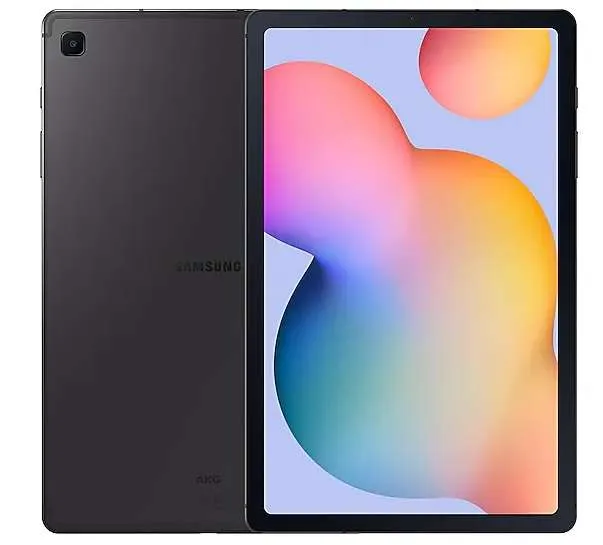
2. Samsung Galaxy Tab S6 Lite

9.3
PROS
Comes with S Pen
Sharp HD display
Lightweight design
Good battery life
CONS
Average performance under heavier workloads
Lacks fast charging
Heavier than some similar options
Limited storage expansion
Price feels less competitive
Review
The Samsung Galaxy Tab S6 Lite is a familiar and student-friendly option with a good display, included S Pen, and comfortable design. It is useful for notes, reading, light entertainment, and casual productivity.
However, its performance and charging speed are not as strong as the best-value pick, and heavier multitasking can expose its limits. For users who want maximum performance per dollar, it is not the strongest option.
Bottom line: A good tablet for light users and note-takers, but not the best overall value in this comparison.
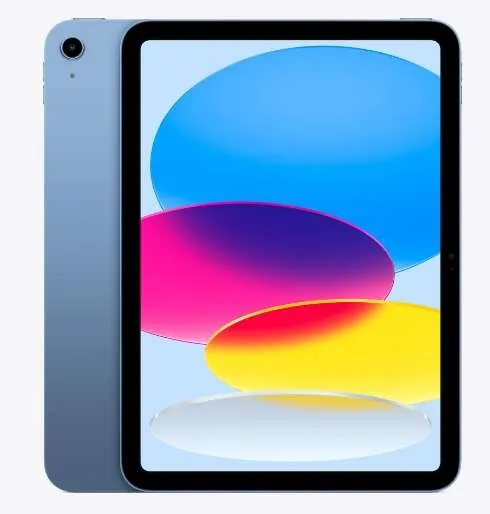
3. Apple iPad (10th Generation)

9.0
PROS
Bright 10.9-inch Liquid Retina display
Fast A14 Bionic chip
Strong app ecosystem
Supports Apple Pencil and keyboard accessories
CONS
Higher starting price
Accessory compatibility can be confusing
Base storage may feel limited
Not the best value for casual users
Locked into Apple ecosystem
No laminated display
Review
The Apple iPad (10th Generation) offers a polished experience, strong app support, and a vivid display. It feels premium and handles everyday tasks very well, especially if you already use other Apple devices.
The downside is value. Accessories add cost quickly, base storage can feel limiting, and casual users may pay more for features they do not fully need.
Bottom line: A polished tablet with excellent ecosystem support, but the total cost makes it less attractive for budget-conscious buyers.
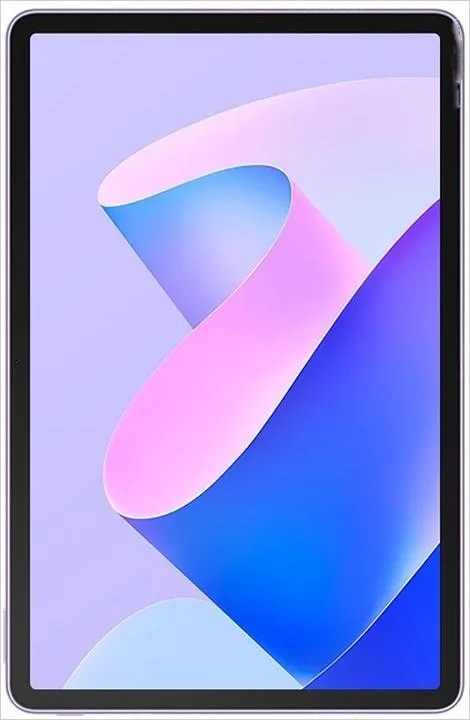
4. Huawei MatePad 11

8.7
PROS
Smooth 120Hz display
Good everyday performance
Supports stylus and magnetic keyboard
CONS
Limited Google app support
Software ecosystem is less convenient
Accessory availability varies
Not ideal for users who need every mainstream app
Price can fluctuate
Setup may take time
Less beginner-friendly
Review
The Huawei MatePad 11 has appealing hardware, including a smooth display and capable performance for media, browsing, and basic productivity. It can be a good fit for users who like Huawei accessories and do not rely heavily on Google services.
Still, software and app compatibility remain important limitations. For many buyers, the app experience may require more workarounds than expected.
Bottom line: Strong hardware, but the software ecosystem makes it harder to recommend over more convenient alternatives.
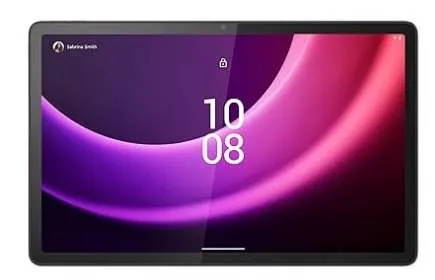
5. Lenovo Tab P11

8.4
PROS
Clear 2K display
Solid quad-speaker audio
Supports Precision Pen 2
CONS
Performance is only mid-range
Slow software update pace
Camera quality is average
Not as polished for demanding work
Can feel less exciting overall
Limited high-end features
Review
The Lenovo Tab P11 offers a nice display, good sound, and a reasonable mid-range tablet experience. It works well for videos, reading, and everyday browsing.
However, its processor, cameras, and software update pace keep it from feeling as complete as the top choices. It is usable, but not the most compelling overall package.
Bottom line: A decent media tablet, but it falls behind when performance, polish, and long-term value are considered.
How we tested
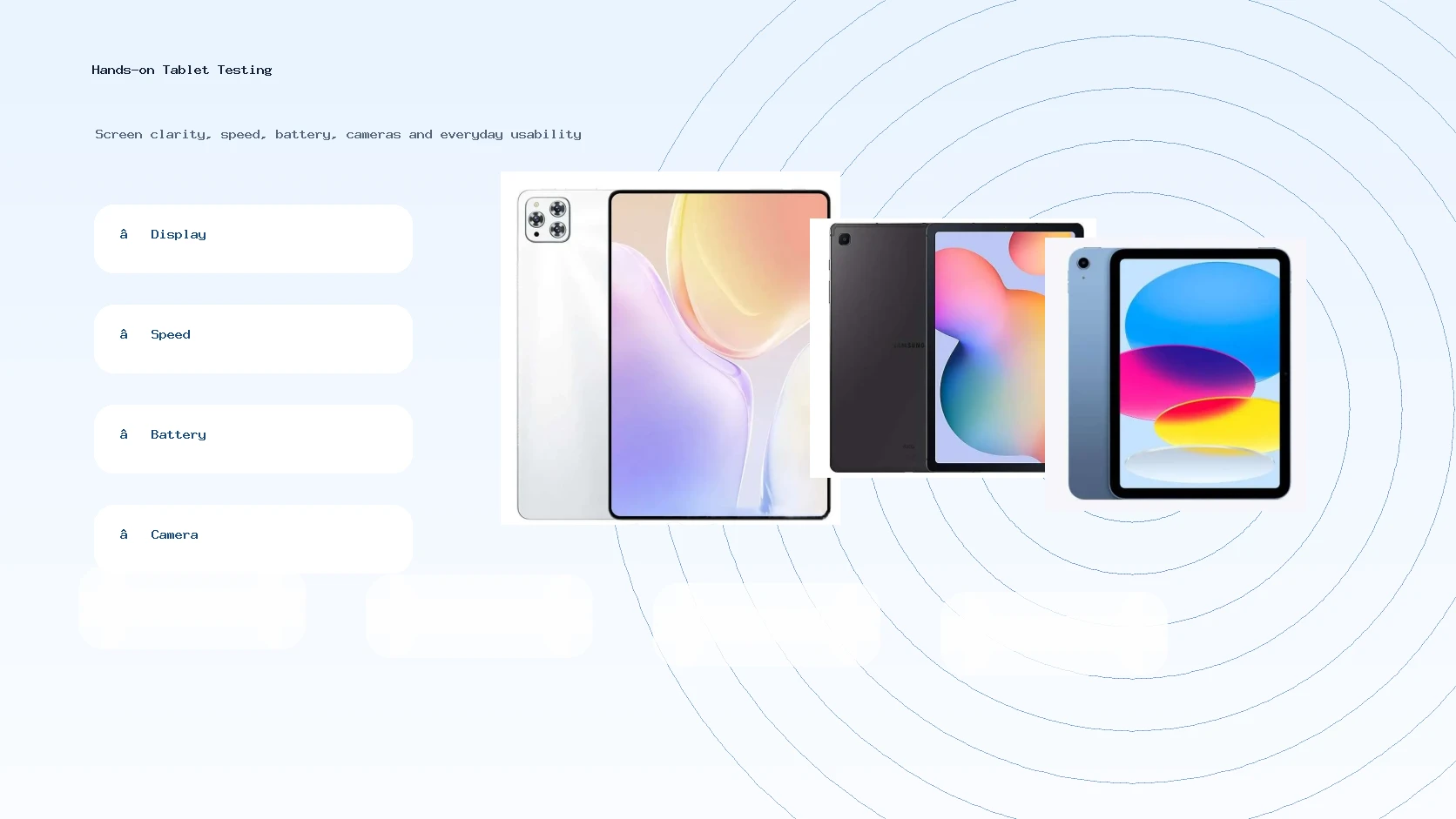
We used each tablet for streaming, reading, browsing, online classes, video calls, light gaming, and productivity tasks to see how it performs in real life.
We compared screen sharpness, brightness, app loading, multitasking, and responsiveness because these factors affect nearly every tablet user.
We looked at mixed-use battery endurance, charging convenience, weight, size, and whether the device feels comfortable to hold for longer sessions.
We compared storage, cameras, app support, accessories, price, and overall usability to find which tablets deliver the best experience for the money.